The Silent Alchemy of Sur Lattes
Beneath Champagne's surface, yeast cells orchestrate years of profound transformation.
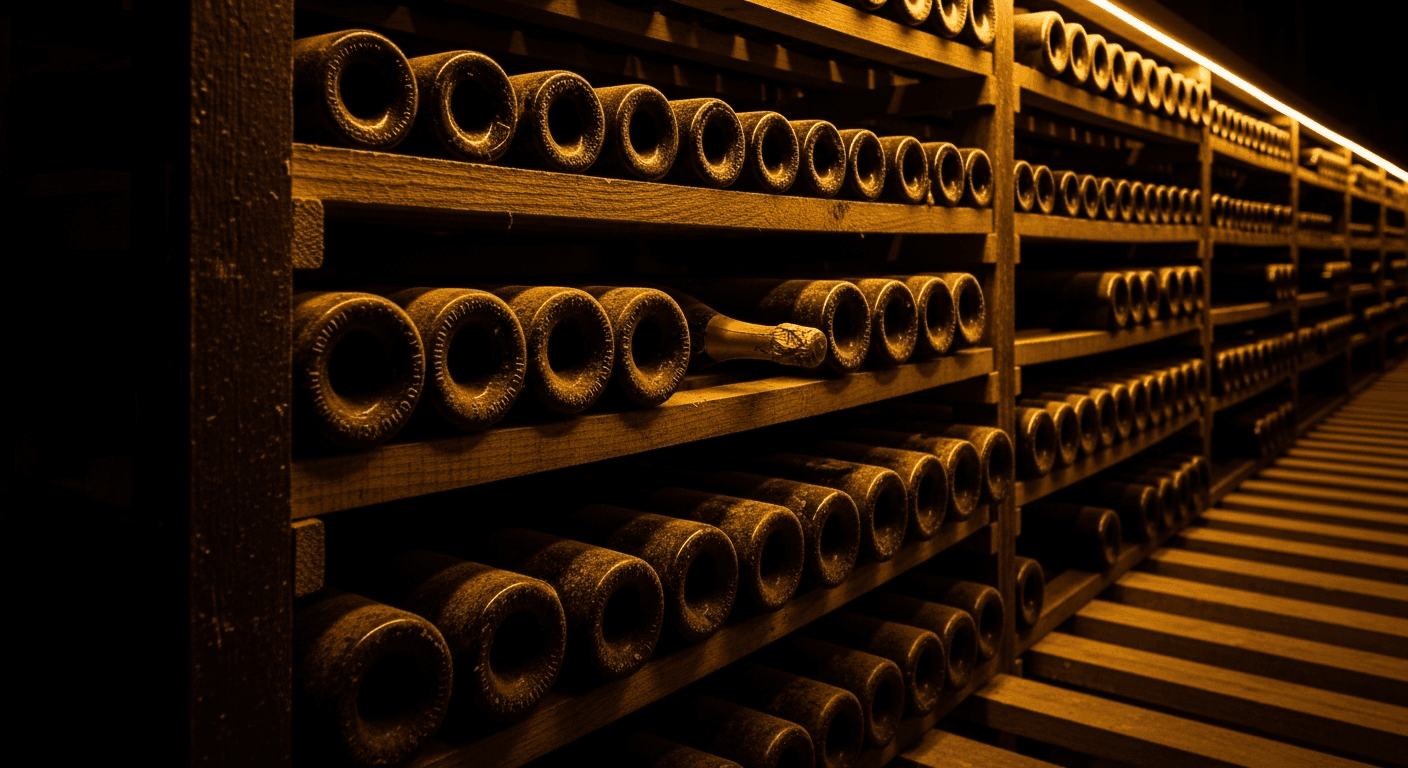
Deep within the labyrinthine chalk cellars of Champagne, millions of bottles lie dormant, stacked horizontally in precise rows. This seemingly inert state, known as sur lattes, belies a profound and intricate alchemy unfolding within each bottle, a slow dance between wine and yeast that sculpts the very essence of this revered sparkling wine. For years, often decades, these bottles 'sleep' on their spent yeast lees, a critical phase that imbues Champagne with its signature complexity and textural finesse.
Following the prise de mousse, the secondary fermentation in bottle initiated by the addition of liqueur de tirage - a blend of still wine, sugar, and yeast - the active yeast cells perform their vital work, converting sugar into alcohol and carbon dioxide. This process typically lasts 6-8 weeks, creating the effervescence that defines sparkling wine. Once their work is complete and all available sugar is consumed, these yeast cells, primarily Saccharomyces cerevisiae, die and settle to the bottom of the bottle, forming a sediment known as lees or lie in French.
The magic, however, truly begins after their demise. As the wine rests sur lies, the dead yeast cells undergo a process called autolysis - a self-digestion where enzymes within the yeast cells break down their cellular contents and release them into the surrounding wine. This complex biochemical interaction liberates a myriad of compounds, including mannoproteins, polysaccharides, amino acids, and lipids. These released substances are not mere by-products; they are the building blocks of Champagne's distinctive character, actively shaping its aromatic profile, texture, and overall stability.
A Symphony of Flavours and Textures
The sensory impact of prolonged yeast autolysis is unmistakable and highly prized. It is responsible for the captivating secondary aromas associated with fine Champagne: notes of freshly baked brioche, toasted nuts, warm bread dough, and sometimes acacia honey. Beyond aroma, autolysis significantly contributes to the wine's mouthfeel, lending a creamy, richer texture and enhancing its perceived body. Mannoproteins, in particular, play a crucial role, binding with tannins to reduce astringency and improving the stability and persistence of the delicate mousse.
The duration of this sur lattes ageing is strictly regulated, yet many producers far exceed the minimums to achieve greater depth and nuance. For a non-vintage (NV) Champagne, the legal requirement mandates at least 15 months in bottle before release, with a minimum of 12 months on lees. Vintage Champagnes, however, demand a minimum of three years on their lees. In practice, many Maisons and growers extend these periods considerably; for instance, Louis Roederer ages its Brut Premier NV for three years, whilst Dom Pérignon releases its vintage Cuvées after a minimum of seven to eight years on lees.
Some of the most esteemed prestige Cuvées remain sur lattes for a decade or even longer, allowing for an extraordinary evolution of character. Bollinger's revered R.D. (Récemment Dégorgé) wines, for example, spend between 8 and 12 years on their lees, resulting in remarkable freshness and intensity. Salon, known for its purist, single-vineyard Blanc de Blancs, often ages its wines for over ten years before disgorgement. These extended periods, coupled with the cool, consistent temperatures of the deep chalk cellars, ensure a slow and controlled autolysis, allowing for the gradual development of complexity without premature oxidation.
The Enduring Legacy of Patience
The long tradition of sur lattes ageing has roots dating back to Roman winemaking, though the scientific understanding of autolysis is a modern revelation. The advent of robust glass bottles in 1770, capable of withstanding the internal pressure of secondary fermentation, truly enabled the extended in-bottle maturation we recognise today. This commitment to patience, culminating in the meticulous process of remuage (riddling) to consolidate the lees, followed by dégorgement to remove them, distinguishes Champagne from other sparkling wines.
For the discerning palate, understanding the duration and impact of sur lattes ageing unlocks a deeper appreciation of Champagne. When selecting a bottle, consider the producer's ageing philosophy: a younger NV might offer vibrant fruit and crisp acidity, while a vintage Champagne with extended lees contact will present a more contemplative experience, rich with tertiary notes and a silken texture. Seek out disgorgement dates on labels, if available, to gauge the post-disgorgement evolution. The years Champagne spends 'sleeping' on yeast are not merely a technicality; they are the very crucible in which its profound elegance and inimitable character are forged, inviting us to savour the texture of time itself.
More from the cellar.
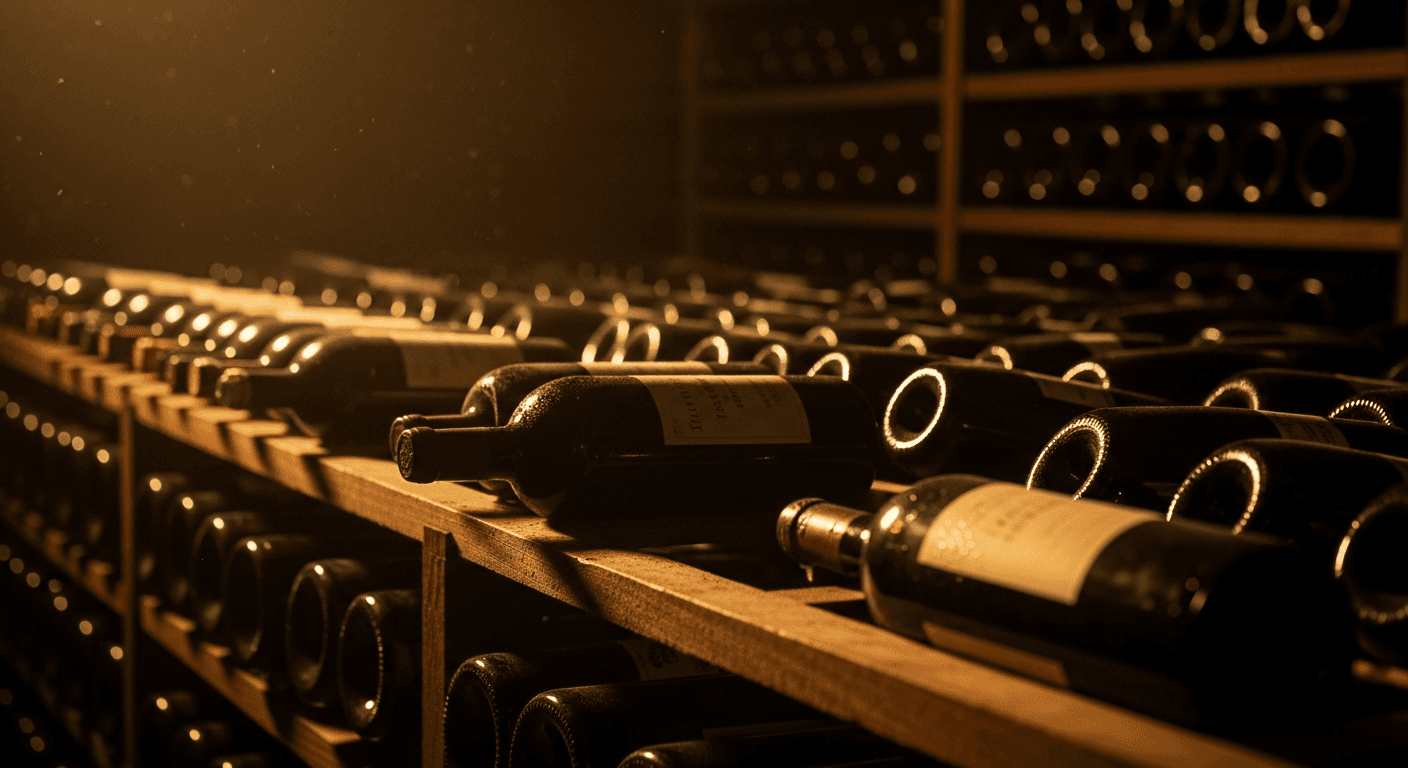
Bottle Shock: The Unseen Travail of Transported Wine
Unravelling the debate: does wine truly need repose after its journey?
The Enduring Effervescence of an Open Bottle
Unravelling the science and art of preserving sparkling wine's ephemeral magic.
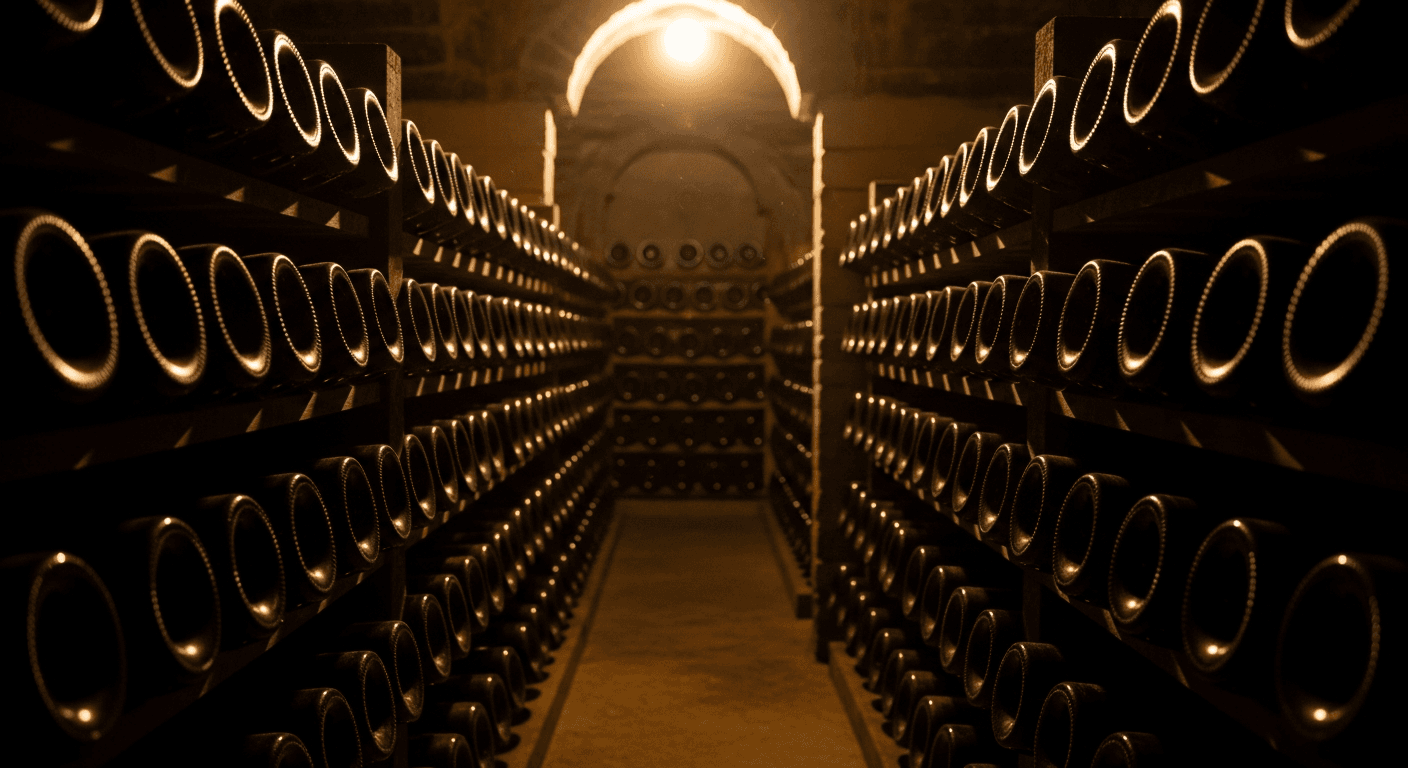
The Silent Saboteurs of Sparkling Grandeur
Preserving the delicate effervescence of Champagne demands precise, consistent care.