The Alchemy of Lees: Brioche and Hazelnut
Unveiling the subtle chemistry that imbues sparkling wine with its signature aged complexity.
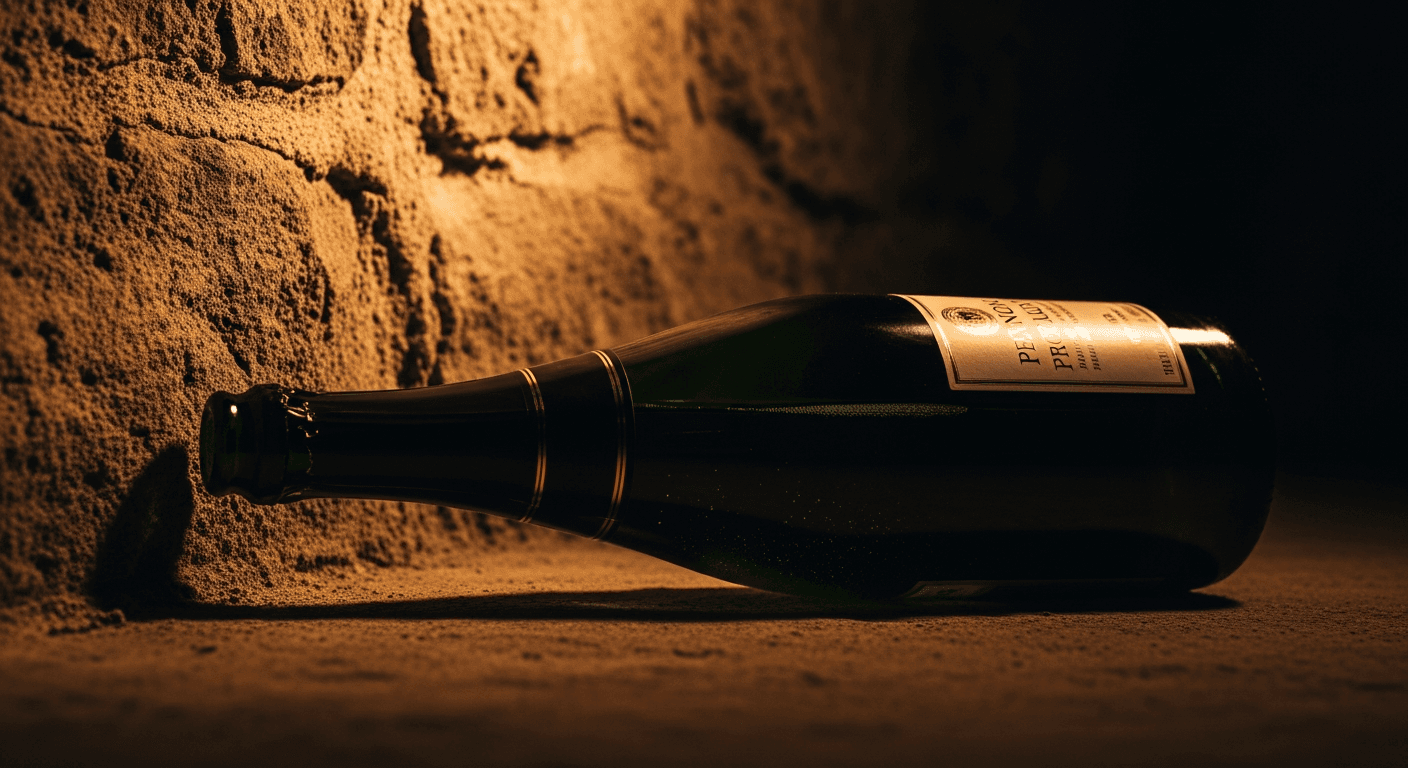
A connoisseur raises a flute of fine Champagne, inhaling the delicate scent of warm brioche and toasted hazelnuts. These evocative aromas, so integral to the character of premium sparkling wines, are often mistakenly attributed solely to the grape or the barrel. Yet, the profound truth is that these complexities primarily arise from a microscopic, post-fermentation phenomenon: the self-degradation of yeast cells, known as autolysis. This intricate biochemical transformation, occurring deep within the bottle, is the silent architect of some of wine's most cherished secondary aromas.
This crucial process, termed ageing sur lie - 'on lees' - is fundamental to the Méthode Traditionnelle of sparkling wine production, notably in Champagne, Cava, and Franciacorta. Following the secondary fermentation in bottle, the yeast cells, having converted sugar into alcohol and carbon dioxide, die and settle as a fine sediment, the lees. It is from this point, typically commencing between two to four months post-tirage, that the enzymes within these dead cells begin to break down their own cellular material, releasing a myriad of compounds into the surrounding wine.
The enzymatic hydrolysis during autolysis liberates a complex array of intracellular components, including amino acids, peptides, nucleotides, and polysaccharides like mannoproteins. These compounds do not merely add flavour directly; rather, they serve as crucial precursors that interact and transform within the wine matrix over time. Mannoproteins, released from the yeast cell walls, are particularly significant, contributing to a richer mouthfeel, softening perceived astringency, and enhancing the stability of the wine's effervescent mousse.
The signature brioche, biscuit, and toasty notes so prized in aged sparkling wines are direct manifestations of these autolytic reactions. Specific volatile aldehydes and ketones, such as heptanal, which imparts biscuit-like aromas, are among the compounds liberated. Furthermore, the nitrogenous compounds released during autolysis can participate in Maillard reactions, even at wine's ambient temperatures. A key compound in this context is 2-acetyl-1-pyrroline (2AP), an aroma molecule widely recognised for its characteristic scent of freshly baked bread, popcorn, or bread crust, with an exceptionally low odour threshold.
Concurrently, the subtle nutty and hazelnut nuances also emerge from this intricate chemical ballet. The potent aroma compound sotolon, for instance, contributes notes reminiscent of walnut, curry, or even maple syrup. While often associated with oxidative ageing in wines like Sherry or Vin Jaune, Saccharomyces cerevisiae yeast strains themselves can produce precursors like 2-ketobutyric acid, which under conditions of mild oxygenation during prolonged bottle ageing, contributes to sotolon formation. Other nitrogen-containing compounds, such as certain pyrazines, can also contribute to roasted and nutty aromatics.
Several factors profoundly influence the rate and character of yeast autolysis. The specific yeast strain used for the prise de mousse plays a role, with some Saccharomyces cerevisiae strains exhibiting greater autolytic potential, and certain co-cultures even accelerating the process, leading to equivalent amino acid and polysaccharide concentrations in three months compared to nine months for standard strains. Temperature is also critical; while higher temperatures can hasten autolysis, the optimal range for desirable proteolytic activity in sparkling wines is typically between 10-12 °C, ensuring a slow, controlled release of compounds. Crucially, the duration of lees contact dictates the intensity of these autolytic characters. Non-vintage Champagne, for example, is legally required to age on its lees for a minimum of 15 months, whilst vintage expressions demand at least 36 months, though many esteemed producers extend this to six to eight years for enhanced complexity.
Understanding the chemistry of yeast autolysis offers a deeper appreciation for the profound complexity found in traditional method sparkling wines. The next time a glass of exquisite Champagne or a fine English sparkling wine graces your palate, take a moment to discern those nuanced aromas of brioche, toasted nuts, and creamy texture. These are not mere happenstance but the deliberate, slow-motion artistry of yeast, transforming simple grape juice into a symphony of aged elegance. Seek out producers known for extended sur lie ageing, perhaps a mature Cava Gran Reserva or a prestige Cuvée, and allow the intricate dance of autolysis to unfold on your senses.
More from the cellar.
Bottle Shock: The Unseen Travail of Transported Wine
Unravelling the debate: does wine truly need repose after its journey?
The Enduring Effervescence of an Open Bottle
Unravelling the science and art of preserving sparkling wine's ephemeral magic.
The Silent Saboteurs of Sparkling Grandeur
Preserving the delicate effervescence of Champagne demands precise, consistent care.