The Soul of the Tank: Why Prosecco's Charmat Method is No Compromise
For our private club, let's debunk the myth of 'cheap' bubbles and toast to the genius of the autoclave.

Welcome back to our small, three-person tasting salon. As we watch the Baltic rain beat against the window, I want us to confront a snobbery that has lingered in our glasses for too long. In our journey through the world's great cellars, we often fall under the spell of the traditional method. We worship at the altar of Champagne, Franciacorta, and Cava, trained to seek the toasted brioche and complex autolytic depth of years spent resting on yeast cells.
But today, I am pouring you a glass of Conegliano Valdobbiadene Prosecco Superiore DOCG, and I ask you to throw those expectations out of the window. No, this wine was not fermented in this bottle. Yes, it was made in a large steel tank-the Charmat, or more historically, the Martinotti method. But hear me clearly: this method is not a shortcut. It is simply a different canvas, painted with a completely different brush.
A Tale of Two Patents: Martinotti vs. Champagne
To understand why we must stop comparing these styles, we have to look back to the late 19th century. In 1895, a brilliant Piedmontese enologist named Federico Martinotti patented a system for secondary fermentation inside a single, large, pressurized vessel. A decade later, in 1907, a Frenchman named Eugène Charmat refined the design with a robust, glass-lined autoclave, lending his name to the global terminology.
While the méthode traditionelle demands that the secondary fermentation happen in individual bottles over months or years, the Martinotti-Charmat method completes this presa di spuma (the capturing of the foam) in a pressurized stainless-steel tank. The yeast converts sugar to alcohol and natural carbon dioxide, which is trapped in the liquid. Once the desired pressure-usually five bars or more-is reached, the winemaker chills the wine to halt fermentation, filters it, and bottles it under pressure.
To the untrained eye, this looks like mass production. But for the artisanal houses of the Veneto, the autoclave is a preservation chamber, not a factory line. It is a tool designed to capture a fleeting, delicate magic.
Respecting the Glera: Why the Tank is King
Let's talk about the grape. Glera, the indigenous white grape of the Treviso hills, is highly aromatic, delicate, and sensitive to its terroir. It is packed with volatile compounds that smell of fresh green apples, Williams pears, white peaches, and spring flowers like wisteria.
If you subject Glera to the long, oxidative, yeast-heavy aging of the traditional method, you do not improve it; you destroy it. The heavy, bready notes of autolysis overpower the delicate orchard fruits, leaving you with a wine that is muddy and confused. The Martinotti method, by contrast, is incredibly protective. Because the secondary fermentation is brief and takes place in an oxygen-free environment, the pristine, aromatic typicity of the grape is preserved.
In the words of leading wine scientists, the adoption of this method in the steep hills of Valdobbiadene was a deliberate, artistic choice. It allows the diverse microclimates of the region's 43 Rive (single hills) and nine distinct soil types to speak clearly through the wine, completely untouched by the heavy-handed influence of yeast.
Tasting the Heights: Cru Prosecco in Our Glasses
To prove my point, let us look to our glasses. Tonight, I have poured us the legendary Nino Franco Rustico Valdobbiadene Prosecco Superiore DOCG (approx. €20). Nino Franco is an absolute icon of the region. Under Primo Franco in 1979, Rustico transitioned from an ancestral, cloudy, sediment-aged wine to a refined Charmat-method masterpiece. It was a quiet revolution. Take a sip: it is bright, silver-green, singing with fresh pear, white flowers, and a savory, mineral finish that clings to the palate.
If you want to understand how far this method can be pushed, we look to single-vineyard bottlings or the steep, hand-harvested slopes of the Bisol 1542 estate. These wines are crafted on ciglioni-the heroic, grass-covered terraces where tractors cannot go, and every task must be finished manually. When you taste a high-altitude DOCG Prosecco Superiore, you taste a precise, geological snapshot of Veneto's limestone hills, brought to life by the autoclave.
So, my dear friends, let's banish the word 'inferior'. Prosecco is not a lesser version of Champagne-it is simply its own elegant self. The Martinotti-Charmat method is the only way to let the Glera grape sing its true, beautiful song.
Raise your glasses, terviseks! Let us drink to the diversity of the vine.
More from the cellar.
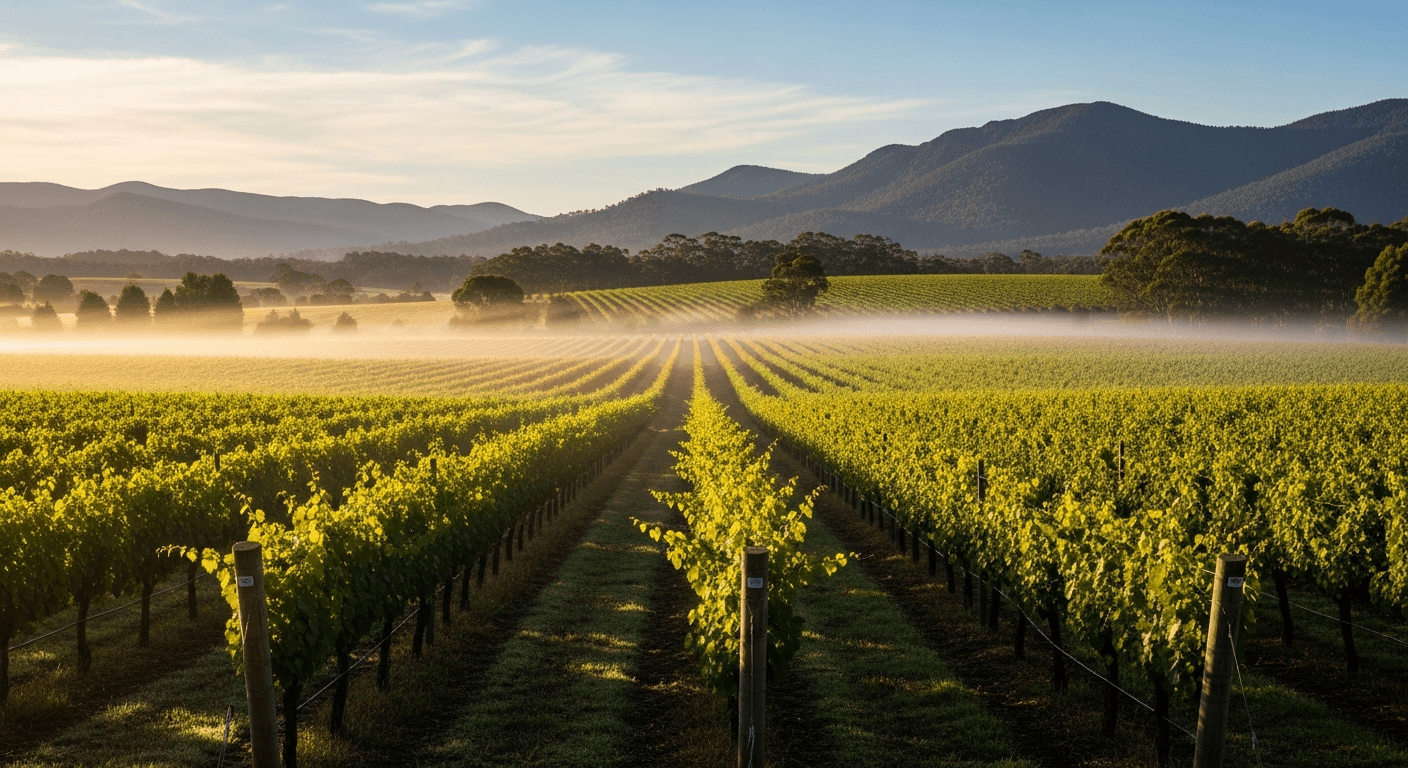
Tasmania's Ascendant Sparkling Wines
Australia's cool-climate island is redefining premium Méthode Traditionnelle.
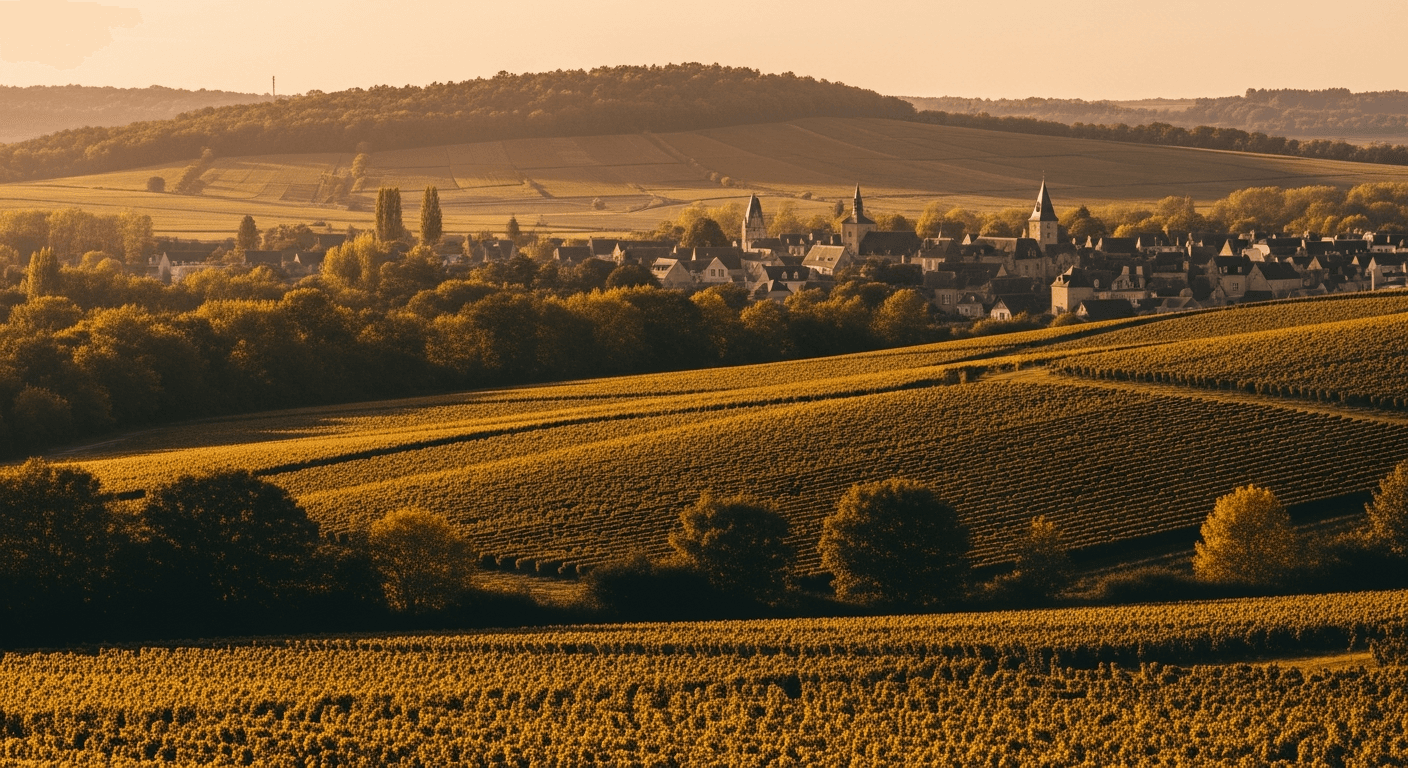
Aube's Ascent: Champagne's Southern Frontier
Once overlooked, this distinct southern region now drives Champagne's most dynamic shifts.

Champagne's Elite Villages: A Classification Unveiled
Discovering the 17 Grand Cru and 42 Premier Cru heartlands of Champagne.