Burgundy's Sparkling Heart: Pinot Noir and Chardonnay
The enduring partnership of two noble grapes defines Crémant de Bourgogne's character.
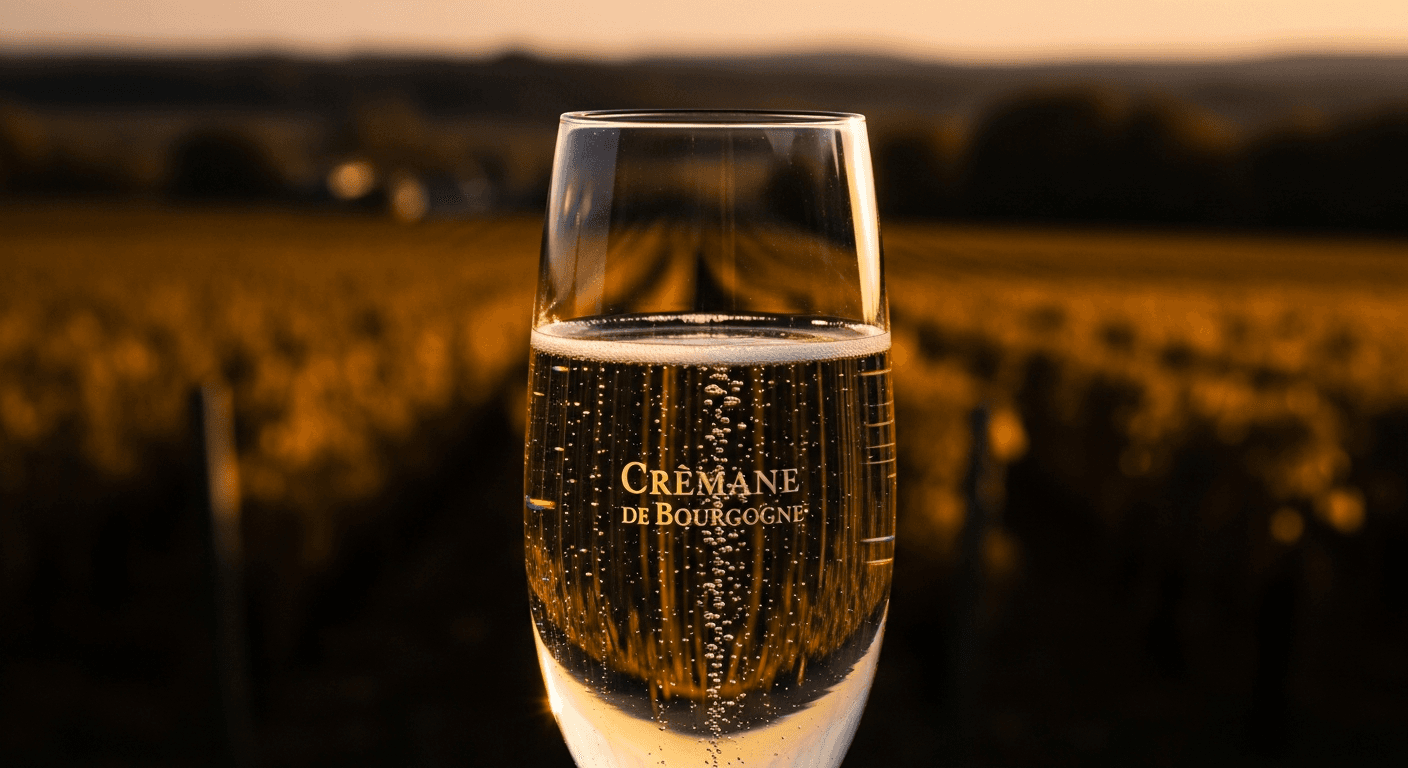
For centuries, Burgundy has been synonymous with still wines of unparalleled depth and nuance, yet a vibrant, effervescent tradition has quietly flourished alongside them. Long before the official appellation, sparkling wines from Burgundy were celebrated, even gracing the table of Emperor Napoleon III in 1850 with sparkling versions of Clos de Vougeot and Romanée-Conti. This rich history underscores Crémant de Bourgogne's inherent connection to Burgundy's diverse terroir, offering a sparkling expression that is distinct from its northern neighbour.
The Crémant de Bourgogne appellation, established in October 1975, formalised the stringent production standards for these effervescent wines. Production adheres strictly to the Méthode Traditionnelle, mirroring the meticulous process of secondary fermentation in the bottle. Grapes are harvested manually and whole-bunch pressed, with a maximum yield of 100 litres of juice from 150 kg of grapes, ensuring purity of must. The appellation covers a vast geographical area of nearly 5,000 acres, stretching from the Grand Auxerrois in the north to the southern reaches of Beaujolais, encompassing a wide array of limestone and clay-limestone soils.
Chardonnay, Burgundy's quintessential white grape, forms the luminous backbone of many Crémant de Bourgogne Cuvées. It imparts freshness, elegance, and a delicate minerality, often revealing notes of green apple, citrus, and white flowers. The diverse terroirs across Burgundy allow Chardonnay to express itself in various ways, from crisp, lively styles in cooler northern areas like Chablis to rounder, fuller wines with greater ripeness from the south. Producers like Simonnet-Febvre in Chablis craft Crémants that are crisp and delicately mineral, reflecting their Portlandian limestone soils.
Pinot Noir, the region's noble red grape, contributes structure, depth, and often subtle red fruit characteristics, particularly in Blanc de Noirs and Rosé Crémants. Its presence can introduce aromas of small red berries such as cherry, blackcurrant, and raspberry, lending a powerful and persistent character on the palate. The interplay between these two principal varietals-Chardonnay and Pinot Noir, which must collectively comprise at least 30% of the blend-is crucial to the stylistic diversity of Crémant de Bourgogne.
The Art of Assemblage and Élevage
The creation of a harmonious Crémant de Bourgogne relies on the winemaker's skill in assemblage, blending base wines from different parcels and sometimes different vintages to achieve a consistent house style or a particular expression. Following the secondary fermentation in bottle, the wines undergo a minimum of nine months of aging on their lees, or sur lattes, a process vital for developing complexity, texture, and the characteristic autolytic notes of brioche and almond. Some producers extend this period significantly, with premium categories such as 'Eminent' requiring a minimum of 24 months of lees aging and 'Grand Eminent' demanding at least 36 months, plus an additional three months after dégorgement.
These extended aging periods, particularly for 'Grand Eminent' wines, which are exclusively made from Pinot Noir and Chardonnay (with a maximum of 20% Gamay for rosés), allow for greater integration and a finer, creamier mousse. The final step, Dosage, involves adding a liqueur d'expédition after dégorgement to determine the wine's sweetness level, ranging from Brut Nature to Demi-Sec, with Brut being the most common style. This precise adjustment balances the wine's inherent acidity and rounds out its profile, ensuring a refined finish.
Discovering Crémant's Spectrum
While Crémant de Bourgogne accounts for approximately 24 to 25 million bottles annually, with two-thirds typically consumed within France, its international recognition is growing. Key producers such as Veuve Ambal, which has been producing Crémant since 1898, and Bailly Lapierre contribute significantly to the appellation's output. The region's dedication to the Méthode Traditionnelle and its reliance on classic Burgundian grapes ensure that Crémant de Bourgogne is far more than a mere 'alternative' to other sparkling wines; it is a sparkling wine of distinct regional identity and genuine quality.
To truly appreciate the spectrum of Crémant de Bourgogne, seek out examples of Blanc de Blancs for their crisp purity, Blanc de Noirs for their vinous structure, or a delicate Rosé for its vibrant red fruit aromatics. Pay attention to labels denoting 'Eminent' or 'Grand Eminent' for wines offering exceptional depth and extended aging. These wines are versatile, equally suited as an aperitif, paired with delicate seafood, or accompanying a celebratory meal, offering an authentic taste of Burgundy's sparkling heritage.
More from the cellar.
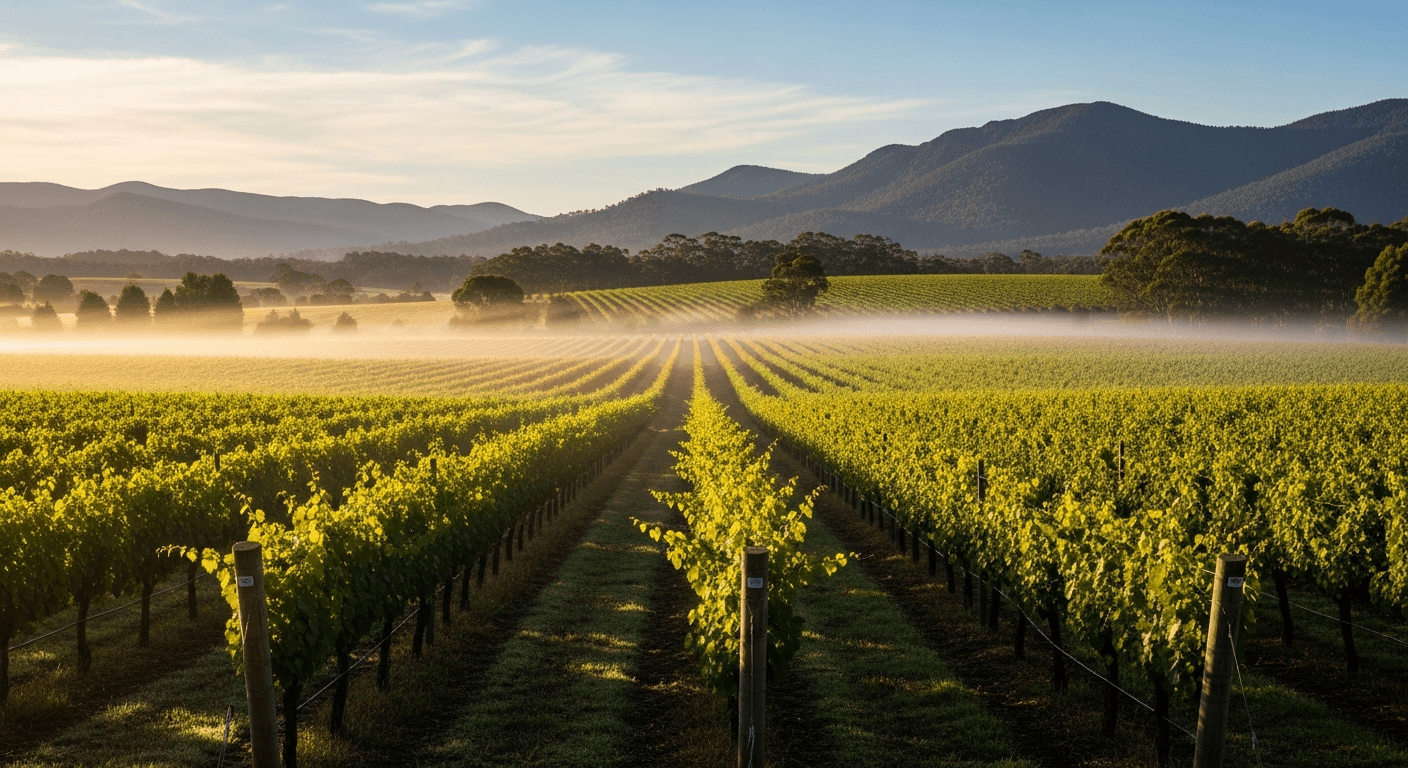
Tasmania's Ascendant Sparkling Wines
Australia's cool-climate island is redefining premium Méthode Traditionnelle.
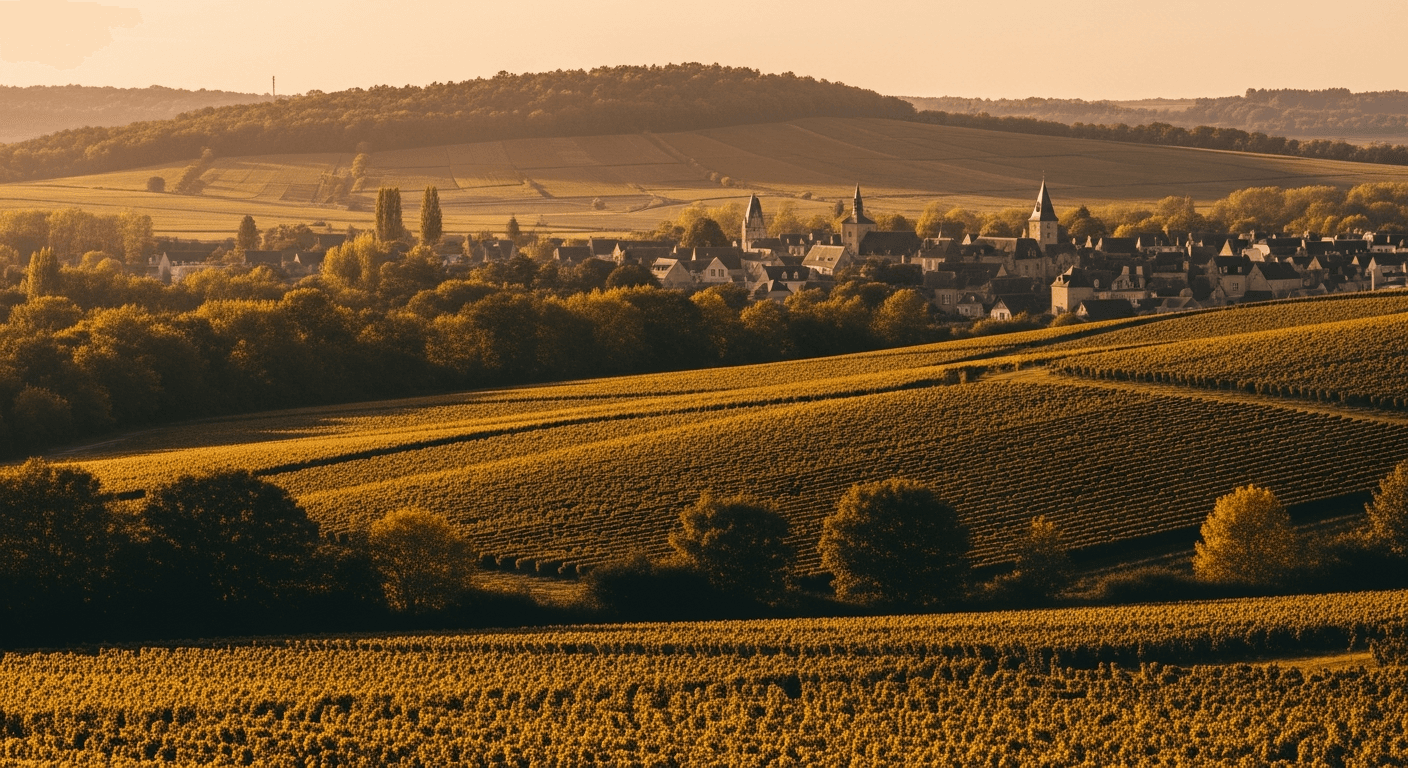
Aube's Ascent: Champagne's Southern Frontier
Once overlooked, this distinct southern region now drives Champagne's most dynamic shifts.

Champagne's Elite Villages: A Classification Unveiled
Discovering the 17 Grand Cru and 42 Premier Cru heartlands of Champagne.