Catalonia's Purest Expression: Cava Brut Nature
Discover the exquisite dryness and refined character of Spain's uncompromising sparkling wine.
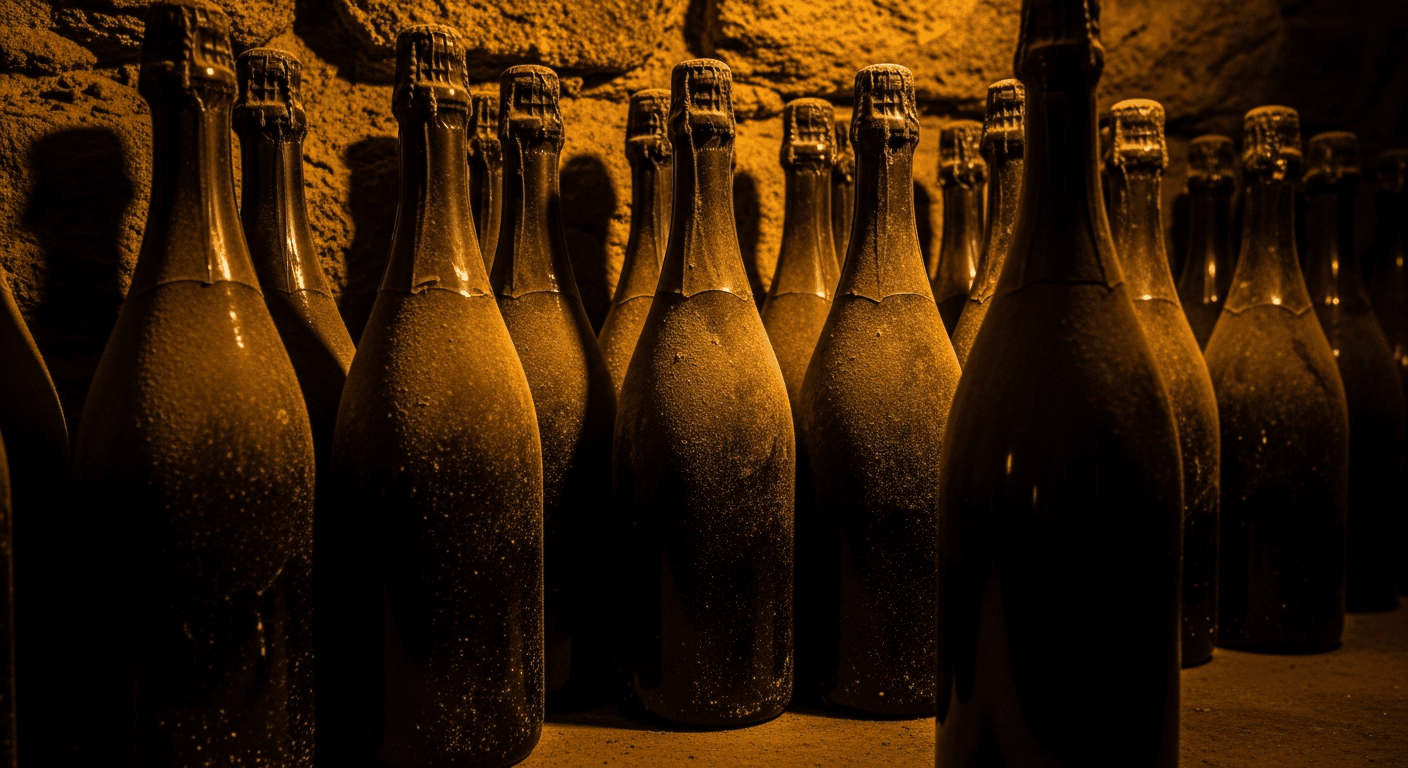
Imagine a sparkling wine so utterly devoid of sweetness that it presents a crystalline purity, a stark, unadorned expression of its origins. While many connoisseurs associate the pinnacle of dryness with certain French exemplars, it is in the sun-drenched vineyards of Catalonia that one finds Cava Brut Nature, a category defined by its minimal residual sugar content. This often-overlooked Iberian gem offers an uncompromisingly dry profile, setting it apart in the global landscape of effervescent wines and defying preconceptions about Spanish sparkling wine.
The genesis of Cava is inextricably linked to the resilience and vision of Catalan winemakers following a devastating natural disaster. In 1872, Josep Raventós of Codorníu produced the first traditional method sparkling wine in Spain, inspired by his travels to the Champagne region of France. This pioneering spirit proved crucial when, in 1887, the phylloxera epidemic ravaged the Penedès vineyards, compelling local producers to replant with indigenous white grape varieties such as Macabeo, Xarel-lo, and Parellada. This strategic shift laid the foundation for Cava's distinct identity, with the municipality of Sant Sadurní d'Anoia becoming the heart, or 'capital,' of Cava production, where approximately 95% of all Cava is still made.
Cava's character is fundamentally shaped by the méthode traditionnelle, mirroring the production process of other esteemed sparkling wines. This intricate process involves a second fermentation taking place directly within each individual bottle. After a primary fermentation yields a still base wine, a liqueur de tirage - a mixture of sugar and yeast - is added before bottling. The yeast consumes the sugar, producing alcohol and, crucially, carbon dioxide, which creates the wine's effervescence. This is followed by a period of ageing sur lattes or sur lie, where the wine rests on its lees, the spent yeast cells, for a minimum of nine months, imparting complex aromas of brioche and nuts. The sediment is then collected in the bottle neck through remuage (riddling), a process mechanised by the Catalan-invented gyropallet, before being expelled during dégorgement.
It is at the final stage, the Dosage, that Brut Nature distinguishes itself definitively. Following disgorgement, a small amount of liqueur d'expédition (a mixture of wine and sugar) is typically added to top up the bottle and adjust the wine's final sweetness. However, Brut Nature Cava receives no added sugar whatsoever. This results in a wine with a residual sugar content of 0-3 grams per litre, making it the driest style available. This absence of dosage allows the true essence of the grape varieties and the unique Catalan terroir to shine through, unmasked by sweetness, offering a crisp acidity and remarkable clarity.
The traditional Cava blend relies on the indigenous triumvirate of Macabeo, Xarel-lo, and Parellada. Macabeo provides floral notes and freshness, Parellada contributes finesse and citrus aromatics, while Xarel-lo, often considered the backbone of Cava, offers body, acidity, and a distinctive earthy character, demonstrating particular resilience to warmer climates. While Chardonnay and Pinot Noir are also permitted, the focus on these local varietals reinforces Cava's unique identity. Furthermore, the Cava Designation of Origin (DO) introduced a new zoning system in 2020, aiming to better delineate the origin of Cavas within subzones like Comtats de Barcelona, which accounts for 95% of production.
Beyond the foundational Cava classification, higher echelons of quality demand extended ageing and specific vineyard characteristics. Cava de Guarda Superior, encompassing Reserva (minimum 18 months of ageing), Gran Reserva (minimum 30 months), and the pinnacle, Cava de Paraje Calificado (minimum 36 months), represents the most refined expressions. Wines in the Cava de Paraje Calificado category, such as those from Gramona, Llopart, or Juvé & Camps, must be Brut Nature, Extra Brut, or Brut, and sourced from single vineyards at least 10 years old with lower yields, ensuring profound complexity and a genuine reflection of their specific terroir. Notably, the D.O. Cava is also committed to 100% organic production for its Guarda Superior segment from 2025.
The pursuit of Cava Brut Nature is a journey into the soul of Catalan sparkling wine. Its bone-dry profile makes it an exceptionally versatile companion for a broad spectrum of culinary experiences, from delicate seafood to richer, savoury dishes, or simply as an aperitif to stimulate the palate. As the world increasingly gravitates towards drier, more authentic wine styles, Cava Brut Nature stands as a testament to precision winemaking and regional identity. Seek out expressions from renowned producers like Recaredo, Alta Alella, or Maria Rigol Ordi, and discover the unadulterated brilliance of Catalonia's driest and most articulate effervescence. These wines are not merely sparkling; they are a direct conversation with the land itself.
More from the cellar.
Tasmania's Ascendant Sparkling Wines
Australia's cool-climate island is redefining premium Méthode Traditionnelle.
Aube's Ascent: Champagne's Southern Frontier
Once overlooked, this distinct southern region now drives Champagne's most dynamic shifts.

Champagne's Elite Villages: A Classification Unveiled
Discovering the 17 Grand Cru and 42 Premier Cru heartlands of Champagne.