Beyond the Bubble: Crémant and Champagne's Value
Uncorking the nuanced boundary between price and quality in French sparkling wines.

For decades, the very word 'Champagne' has been synonymous with celebration, luxury, and indeed, quality. Its iconic status is such that many automatically reach for a bottle without considering the rich tapestry of other French sparkling wines that offer comparable, if not sometimes superior, experiences for a fraction of the price. This ingrained perception, cultivated over centuries, often obscures the genuine value proposition found in appellations such as Crémant de Loire.
Champagne's enduring prestige is rooted deeply in history and strict regulation. Vines were planted in the region as early as the 5th century by Romans, with its wines gaining favour with French royalty by the 9th century. The sparkling version, initially considered a fault, began to gain favour in the 17th century, with figures like Dom Pérignon instrumental in refining its production. Today, the Champagne Appellation d'Origine Contrôlée (AOC) mandates rigorous standards, from specific vineyard practices and grape sourcing to pressing methods and secondary fermentation in bottle. The classic triumvirate of grapes-Pinot Noir (approximately 38% of plantings), Chardonnay (31%), and Pinot Meunier (31%)-forms the backbone of most Champagnes, though seven varieties are permitted. Non-vintage Champagne must age for a minimum of 15 months, with at least 12 months on its lees, while vintage expressions require a minimum of three years on lees.
Emerging from the verdant Loire Valley, Crémant de Loire offers a compelling counterpoint. While sparkling wine production in the Loire has a long history, with bubbles once considered a defect, the Crémant de Loire AOC was officially established in 1975. Like its more famous cousin, Crémant de Loire is produced using the Méthode Traditionnelle, involving a secondary fermentation in the bottle to create its effervescence. The appellation spans a vast area, encompassing regions such as Anjou, Touraine, and Saumur, which collectively produce a significant volume of sparkling wine, second only to Champagne in France.
Terroir and Varietal Distinction
The fundamental distinction between these two sparkling categories often lies in their grape varieties and the distinct terroirs that nurture them. Champagne's northern climate and chalky soils impart a characteristic minerality, acidity, and often a biscuit-like autolytic complexity from its primary grapes. In contrast, Crémant de Loire champions Chenin Blanc as its principal grape, often blended with Cabernet Franc, Pinot Noir, and Chardonnay. Chenin Blanc, a grape celebrated for its versatility, contributes notes of green apple, quince, and honey, underpinned by a vibrant acidity. The Loire's diverse soils-from the "terres blanches" of clay-limestone in Saumurois and Touraine to the "terres noires" of schist in Anjou-further amplify the aromatic and textural breadth of its Crémants.
Beyond grape composition, the production regulations, particularly concerning aging, also draw a discernible line. While both adhere to the Méthode Traditionnelle, Crémant de Loire requires a minimum of 12 months sur lattes (on lees) before release. This is a month less than the total minimum for non-vintage Champagne but often comparable to the lees aging component. However, some Crémant de Loire producers voluntarily extend this period, with new designations like 'Eminent' (minimum two years on lees) and 'Grand Eminent' (minimum three years on lees) now allowing for extended maturation that rivals or even exceeds the requirements for vintage Champagne. This extended contact with the lees contributes to a richer texture and more pronounced autolytic characteristics, blurring the qualitative boundaries.
The Value Proposition
The most tangible difference for the consumer remains the price. Champagne, burdened by higher land costs, intense marketing, and the inherent expense of its historical prestige, typically commands a significantly higher price point. Entry-level non-vintage Champagnes often start around £30-£40, while a good Crémant de Loire can be acquired for £15-£25. This price disparity offers Crémant de Loire an exceptional value proposition. Consumers can access Méthode Traditionnelle sparkling wines, crafted with meticulous care and often from older vines, that deliver complexity and finesse without the premium associated with the Champagne name.
This is not to diminish Champagne's singular position but rather to highlight the diligent efforts of Loire Valley winemakers. Their commitment to quality, combined with distinct grape varieties and diverse terroirs, allows Crémant de Loire to offer sophisticated sparkling wines. The relative affordability of land and a less intense marketing overhead contribute to this accessible luxury, proving that excellence need not always carry the highest price tag. Some established houses in the Loire, such as Bouvet-Ladubay and Langlois-Chateau, consistently produce Crémants that exemplify this balance of quality and value.
Ultimately, the discerning palate understands that the true measure of a sparkling wine lies not solely in its appellation, but in its balance, complexity, and capacity to evoke pleasure. To dismiss Crémant de Loire as merely a 'Champagne alternative' would be to overlook its intrinsic merits. Venture beyond the familiar, explore the varied expressions of Chenin Blanc-based sparkling wines, and discover a world where the line between price and quality is not a barrier, but an invitation to new sensory experiences. Consider a Brut Nature Crémant de Loire for an aperitif, or a mature, lees-aged Cuvée with a richer dosage for a more contemplative occasion; the rewards are considerable.
More from the cellar.
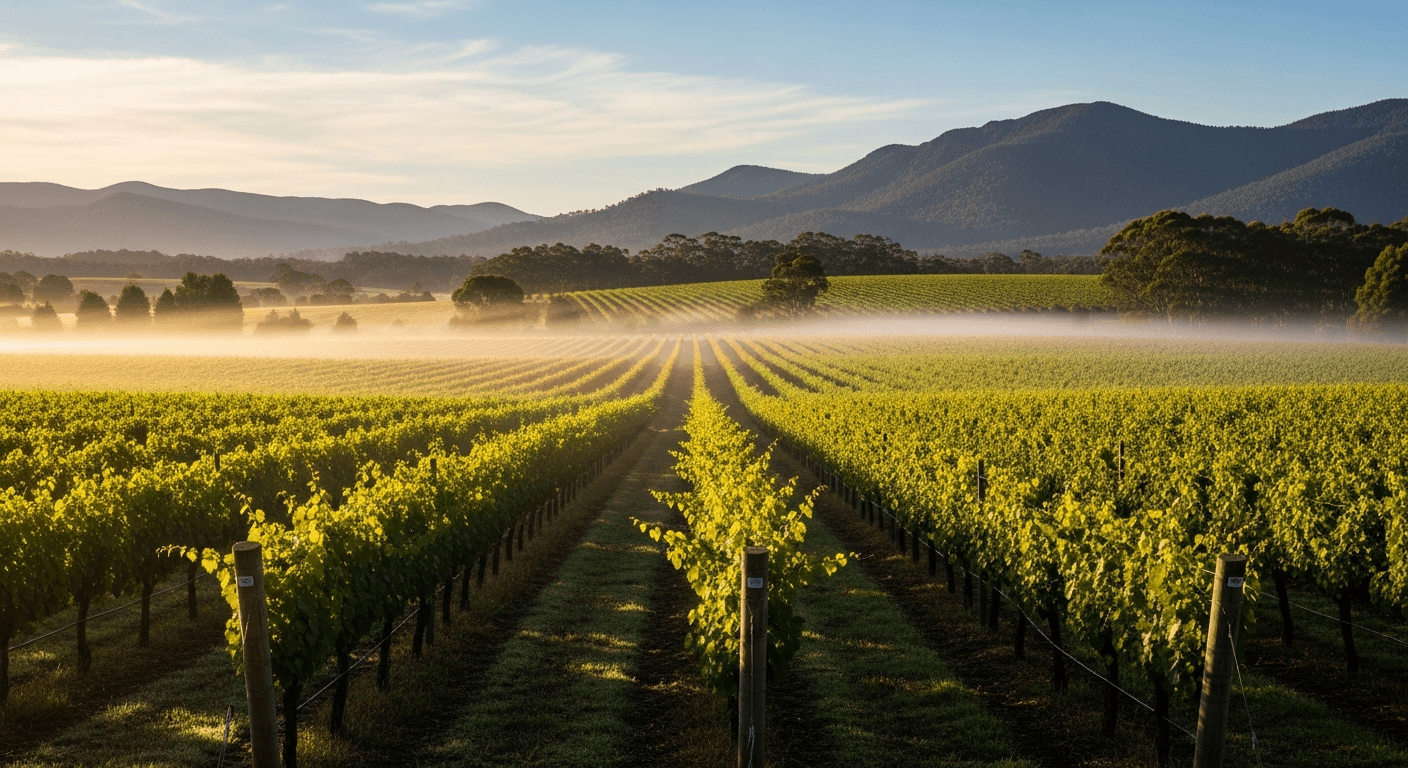
Tasmania's Ascendant Sparkling Wines
Australia's cool-climate island is redefining premium Méthode Traditionnelle.
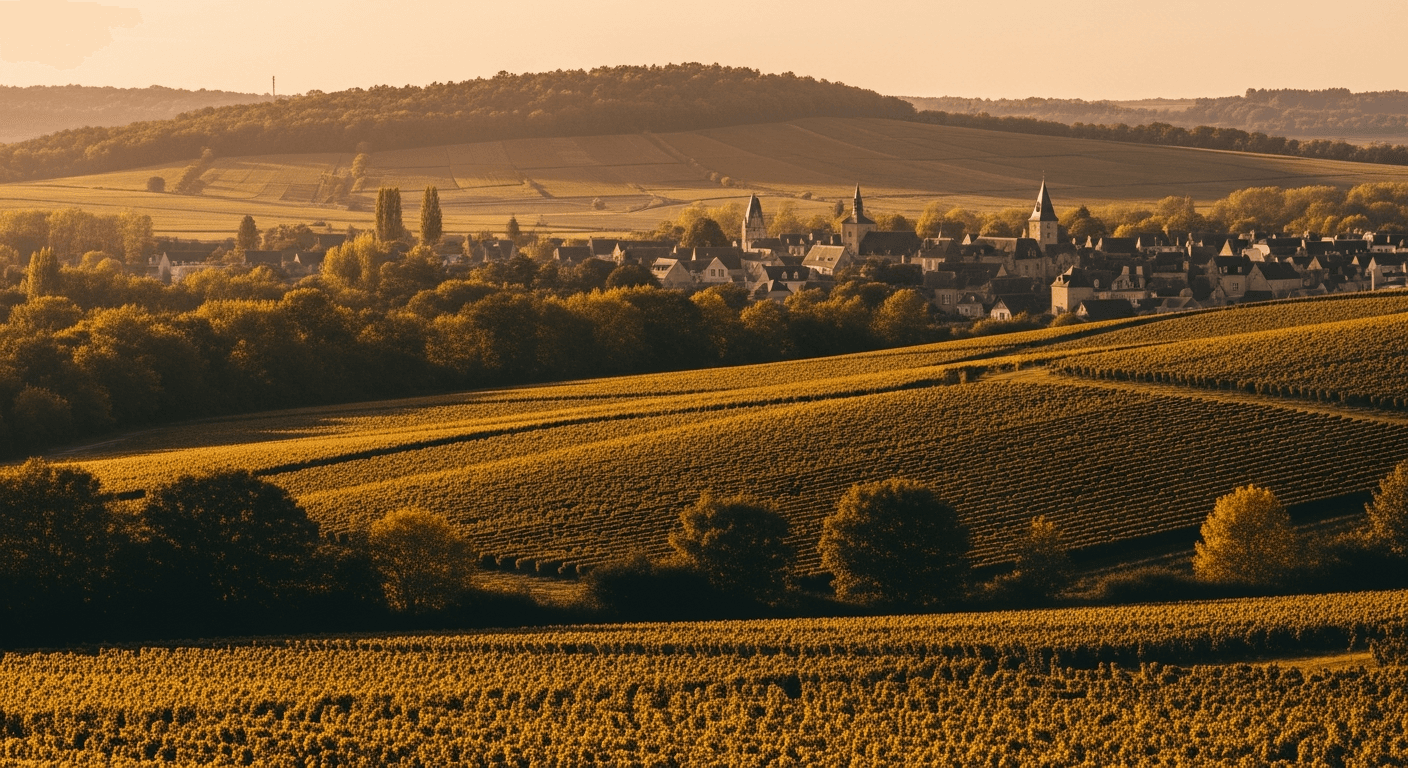
Aube's Ascent: Champagne's Southern Frontier
Once overlooked, this distinct southern region now drives Champagne's most dynamic shifts.

Champagne's Elite Villages: A Classification Unveiled
Discovering the 17 Grand Cru and 42 Premier Cru heartlands of Champagne.