Bubbly Echoes of Paris's Lost Generation
_Champagne fuelled the literary and artistic ferment of 1920s expatriate Paris._
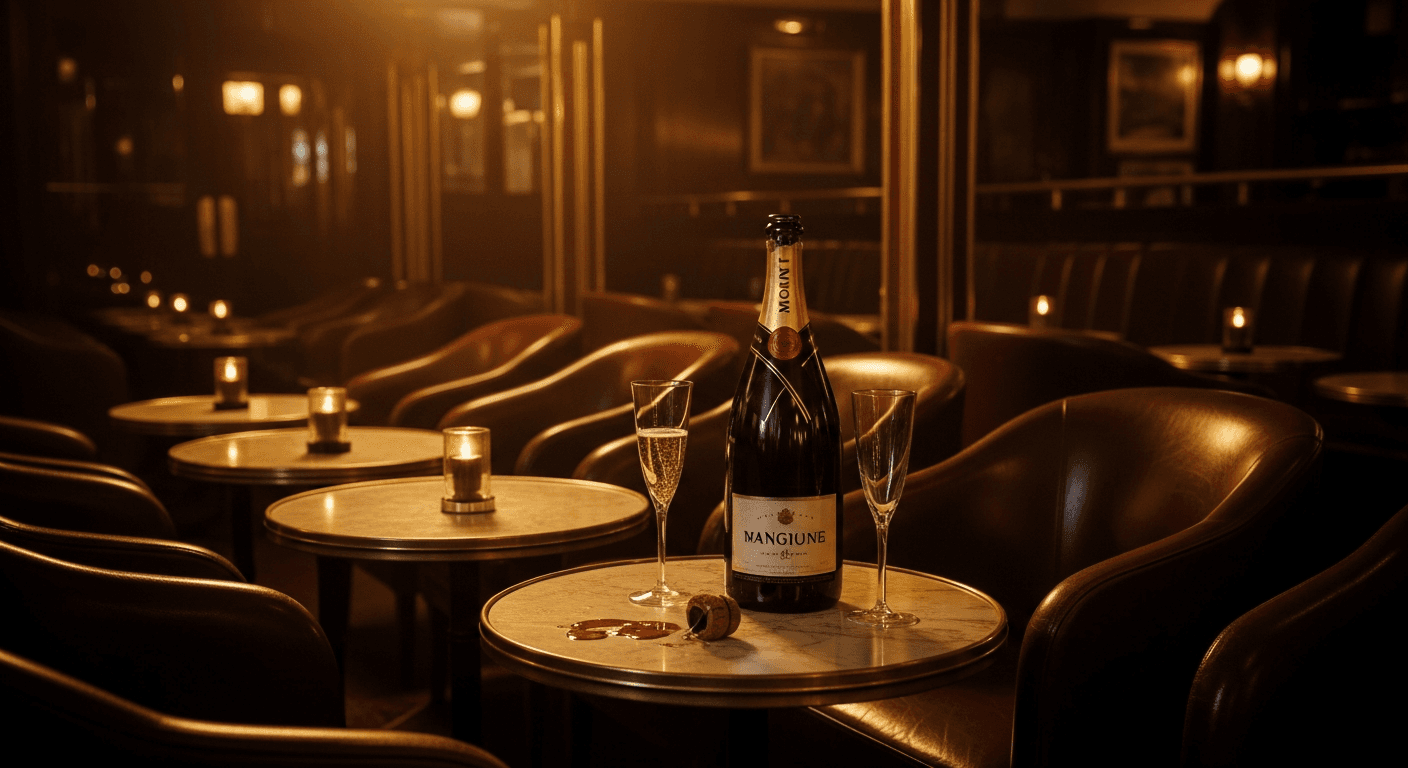
The tale of Ernest Hemingway 'liberating' the Ritz Hotel in Paris in August 1944, famously demanding 50 Martinis and, legend suggests, consuming three bottles of champagne, is a vivid, if somewhat embellished, postscript to his Parisian sojourn. Yet, the true effervescence of champagne in the lives of the American 'Lost Generation' writers and artists settled in Paris long predates this wartime anecdote, defining a decade of prodigious creativity and unbridled hedonism. This era, stretching from the close of the Great War through the Wall Street Crash of 1929, saw a confluence of talent, despair, and liberation, all frequently lubricated by a steady flow of French sparkling wine. For these expatriates, Paris was not merely a city; it was an escape, a muse, and a boundless cellar.
America's Prohibition, enacted in January 1920, drove thousands of young, disillusioned Americans across the Atlantic, seeking a cultural haven free from puritanical strictures. Paris, then in a period of economic recovery post-WWI, offered an extraordinarily favourable exchange rate, with the dollar soaring from 5.45 francs in 1919 to 50 francs by July 1926, making bohemian life eminently affordable. This financial liberty, coupled with a vibrant artistic milieu, created a fertile ground for literary and artistic experimentation. Gertrude Stein, the doyenne of the American avant-garde in Paris, famously coined the term 'Lost Generation' to describe this cohort of intellectuals, poets, artists, and novelists who rejected post-war American values, finding a spiritual and creative home on the Left Bank.
The Haunts of Bubbly
Among the most iconic establishments frequented by this glittering set was Harry's New York Bar at 5 Rue Daunou. Opened in 1911 by American jockey Tod Sloan and later purchased by Scottish barman Harry MacElhone in 1923, it quickly became a second home for American expats. F. Scott Fitzgerald, Ernest Hemingway, and Gertrude Stein were all regular patrons, drawn by its clubby atmosphere and reputation as Europe's second-longest-running cocktail bar. Harry's is credited with inventing several classic cocktails, including the Bloody Mary and the French 75, a spirited blend of gin, lemon juice, sugar, and champagne, named after a WWI field artillery piece. These champagne cocktails, emerging around 1905, epitomised the era's sophisticated thirst for effervescent libations before and during meals.
Further south, in the bohemian heart of Montparnasse, a cluster of legendary cafés and bars served as informal clubs for the 'Lost Generation'. La Coupole, opened on December 20, 1927, by Ernest Fraux and René Lafon, was heralded with 1200 Mumm champagne corks popping on its inaugural night, necessitating additional bottles to be dispatched for mid-evening. Its stunning Art Deco interior, adorned with columns painted by local artists, became a backdrop for figures such as Jean Cocteau, Josephine Baker, and later, Hemingway himself. Nearby, Le Dôme, La Rotonde, and Le Select were equally popular, forming a circuit where writers would work, debate, and, inevitably, drink. It was at the Dingo Bar, now the Auberge de Venise on rue Delambre, that Ernest Hemingway first met F. Scott Fitzgerald in 1925, an encounter that sparked a legendary, if complicated, friendship.
Champagne's Cultural Ascent
The champagne consumed by these luminaries was often of a drier style, with 'Brut' and 'Sec' expressions gaining traction throughout the 1920s. While still largely associated with celebratory occasions and desserts in France until mid-century, the expatriate community embraced it with a fervent enthusiasm that transcended traditional mealtimes. Indeed, from 1923, France remarkably became the number one market for champagne consumption, a position it has largely maintained. Champagne houses like Ayala, known for their dry styles, were particularly popular during the Jazz Age, symbolising post-war relief and exuberance. Hemingway himself, a connoisseur of fine beverages, once declared, "If I have any money, I can't think of any better way of spending it than on Champagne".
F. Scott Fitzgerald, whose novels such as The Great Gatsby vividly captured the debauchery and excess of the Roaring Twenties, lived the life he wrote about, often fuelled by copious amounts of champagne. His first meeting with Hemingway at the Dingo Bar saw him quickly succumbing to the effects of several glasses of champagne, revealing a delicate constitution beneath his glamorous facade. He and Zelda, his spirited wife, were notorious for their outrageous antics, including an ignominious ejection from the ritzy Saint James Albany hotel, an event surely not without champagne. Their lives were a testament to the intoxicating allure of Paris and the sparkling wine that flowed freely, a stark contrast to the parched landscape of Prohibition-era America.
Today, the legacy of the 'Lost Generation' and their love affair with champagne endures. The Bar Hemingway at the Ritz Paris, though a later namesake, channels the spirit of that era, offering a contemporary Champagne cocktail called the 'Ritz 75', a mandarin-infused twist on the classic. To fully appreciate the romance and rebellion of 1920s Paris, one might choose a crisp Brut Champagne, perhaps a Cuvée from a house like Ayala, and reflect on the moments of inspiration and indulgence that unfolded in those storied Parisian establishments. The clinking of glasses echoes across a century, a reminder of a generation that found its voice, and its sparkle, in the City of Light.
More from the cellar.
Bond and Bollinger: A Vintage Alliance Forged in '73
How a single cinematic moment cemented Champagne Bollinger's enduring legacy with 007.
Churchill's Champagne: A 42-Year Devotion
The enduring legacy of Sir Winston Churchill's profound bond with Pol Roger.
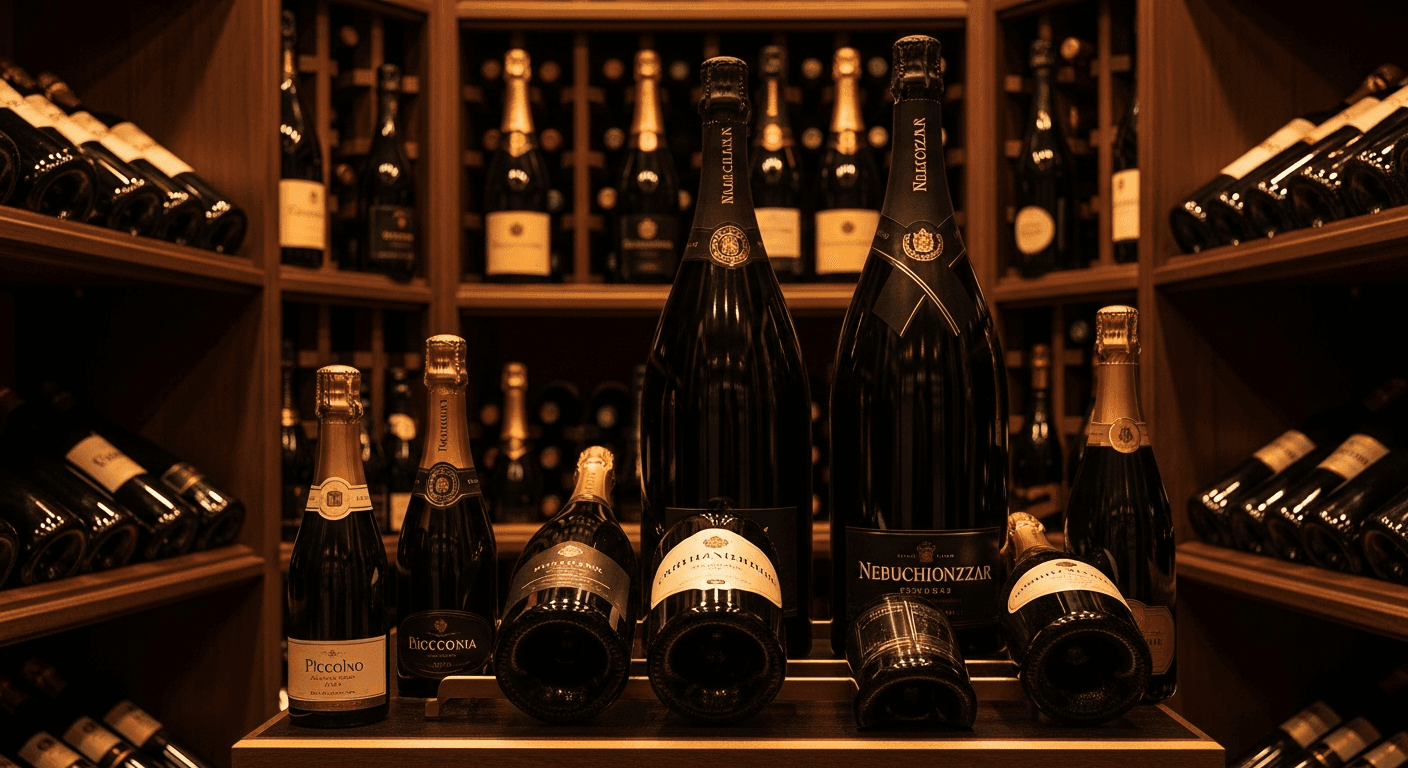
Beyond the Bottle: Champagne's Grand Formats
Uncorking the science and spectacle behind Champagne's diverse bottle sizes.