Aube's Ascent: Champagne's Southern Frontier
Once overlooked, this distinct southern region now drives Champagne's most dynamic shifts.
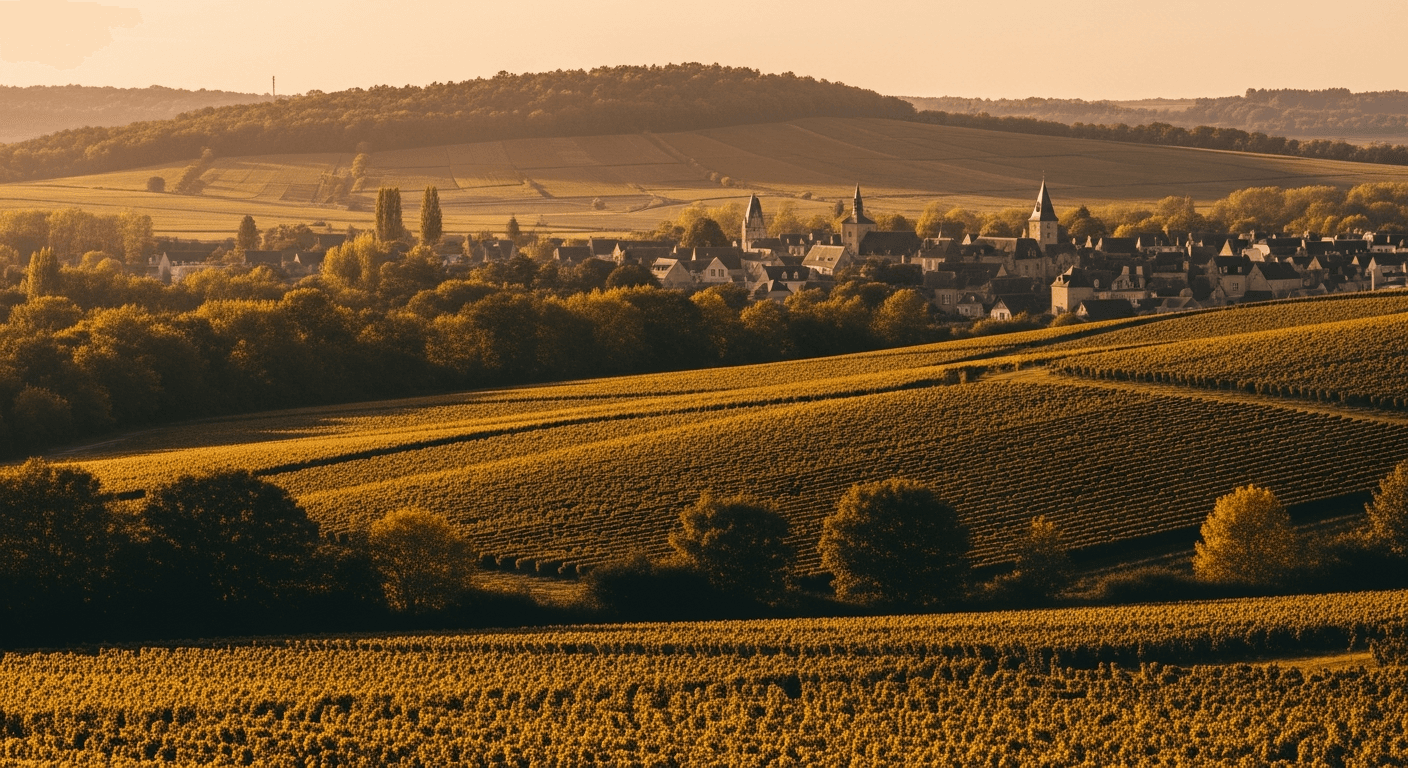
For decades, the Côte des Bar, nestled in Champagne's southernmost Aube department, existed as an anomaly, geographically distant from the storied vineyards of the Marne and often treated as a mere source of grapes for the region's larger houses. Indeed, its very inclusion in the Champagne appellation was fiercely contested, with growers rioting in 1910-1911 after the region was initially excluded from the official classification in 1908. Despite being eventually admitted in 1927, it was relegated to 'deuxième zone' status and denied any Grand Cru or Premier Cru classifications. Yet, this perceived historical disadvantage has become its modern-day strength, fostering a vibrant, independent spirit that now defines a new wave of Champagne production.
The Côte des Bar's unique identity begins beneath the surface. Unlike the pure chalk soils that characterise much of the Montagne de Reims or Côte des Blancs, the Aube is predominantly marked by Kimmeridgian marl, a limestone-clay mixture rich in fossilised marine organisms, bearing a striking geological resemblance to the renowned vineyards of Chablis, just 30 kilometres to the south. This distinct terroir, coupled with a slightly warmer, more continental climate, allows grapes to achieve optimal ripeness, often resulting in wines with a broader texture and less need for high Dosage. The landscape itself, with its undulating hills interspersed with forests and streams, further sets it apart from the more densely planted northern zones.
This specific environment has long favoured Pinot Noir, which reigns supreme across the Côte des Bar's vineyards, accounting for approximately 83-86 percent of plantings. This dominance yields a distinctive style of Champagne - often powerful, fruit-driven, and structured, offering a counterpoint to the more delicate, Chardonnay-focused expressions from the Côte des Blancs. While Chardonnay plantings are steadily increasing, now around 10 percent, and Pinot Meunier constitutes a small share, the region also champions rare varieties such as Pinot Blanc, Arbane, and Petit Meslier, which some innovative producers are now featuring in single-varietal Cuvées.
The Grower Revolution
The 21st century has witnessed a profound transformation in the Côte des Bar, driven by a new generation of 'grower-producers' - vignerons who cultivate their own grapes and bottle their own wines, rather than selling to the large Champagne houses. This movement, deeply inspired by Burgundian terroir-centric philosophies, has seen the region emerge as a "hotbed for Grower Champagne". The total vineyard area in the Aube has expanded significantly since 2000, now comprising roughly 23 percent of Champagne's entire vineyard surface, contributing approximately a quarter of the region's grape supply. This shift marks a deliberate embrace of site-specific expression and sustainable practices, moving away from a historical role of simply supplying fruit to the north.
Pioneering figures such as Cédric Bouchard of Roses de Jeanne, based in Celles-sur-Ource, exemplify this artisanal approach. Bouchard is celebrated for his commitment to single-vineyard, single-varietal, and single-vintage Champagnes, eschewing traditional blending to allow individual terroirs to speak. Similarly, Bertrand Gautherot of Vouette et Sorbée in Buxières-sur-Arce has been a biodynamic trailblazer since 1998, crafting low-Dosage or Brut Nature wines that reflect the inherent ripeness of his Kimmeridgian and Portlandian soils. Even in Montgueux, an outlier within the Aube with its chalky soils, Jacques Lassaigne has gained renown for his precise, Chardonnay-driven Blanc de Blancs, often compared to the Grand Crus of the Côte des Blancs.
The resulting wines from these estates often display a pronounced vinosity and depth, characterised by ripe fruit, a distinctive minerality derived from the Kimmeridgian marl, and a vibrant acidity. Producers like Thomas Barbichon are focusing on vivid, transparent expressions from their nine certified-biodynamic hectares around Gyé-sur-Seine, eschewing overt oak usage for clarity of vineyard character. This focus on fruit ripeness and natural balance often allows for lower or even zero Dosage, presenting a pure, unadulterated expression of the Aube's unique terroir.
A Distinct Identity
The Côte des Bar's trajectory from an overlooked hinterland to a dynamic hub of innovation is a testament to its inherent viticultural potential and the vision of its dedicated vignerons. Its proximity to Burgundy, both geographically and philosophically, has imbued its winemaking with an emphasis on terroir and individual parcel expression that distinguishes it within the broader Champagne region. The region offers a compelling narrative of resilience and reinvention, challenging preconceived notions of what Champagne can be.
For those seeking Champagne with a profound sense of place and an expressive, often Pinot Noir-driven character, the Côte des Bar presents a compelling proposition. Look for grower labels from villages such as Les Riceys, Celles-sur-Ource, and Buxières-sur-Arce. These are wines that reward contemplation, offering a powerful, textured, and mineral-inflected counterpoint to the more traditional styles. The Aube's southern frontier is not merely catching up; it is confidently forging a new path, offering some of the most compelling and characterful sparkling wines in France today.
More from the cellar.
Bottle Shock: The Unseen Travail of Transported Wine
Unravelling the debate: does wine truly need repose after its journey?
Tasmania's Ascendant Sparkling Wines
Australia's cool-climate island is redefining premium Méthode Traditionnelle.
Non-Vintage: A Cellar Master's Legacy
Behind Champagne's enduring house style lies the profound skill of its guardian.