The Silent Uncorking of Sparkling Wine
A gentle 'soupir' preserves the integrity and effervescence of fine sparkling wine.
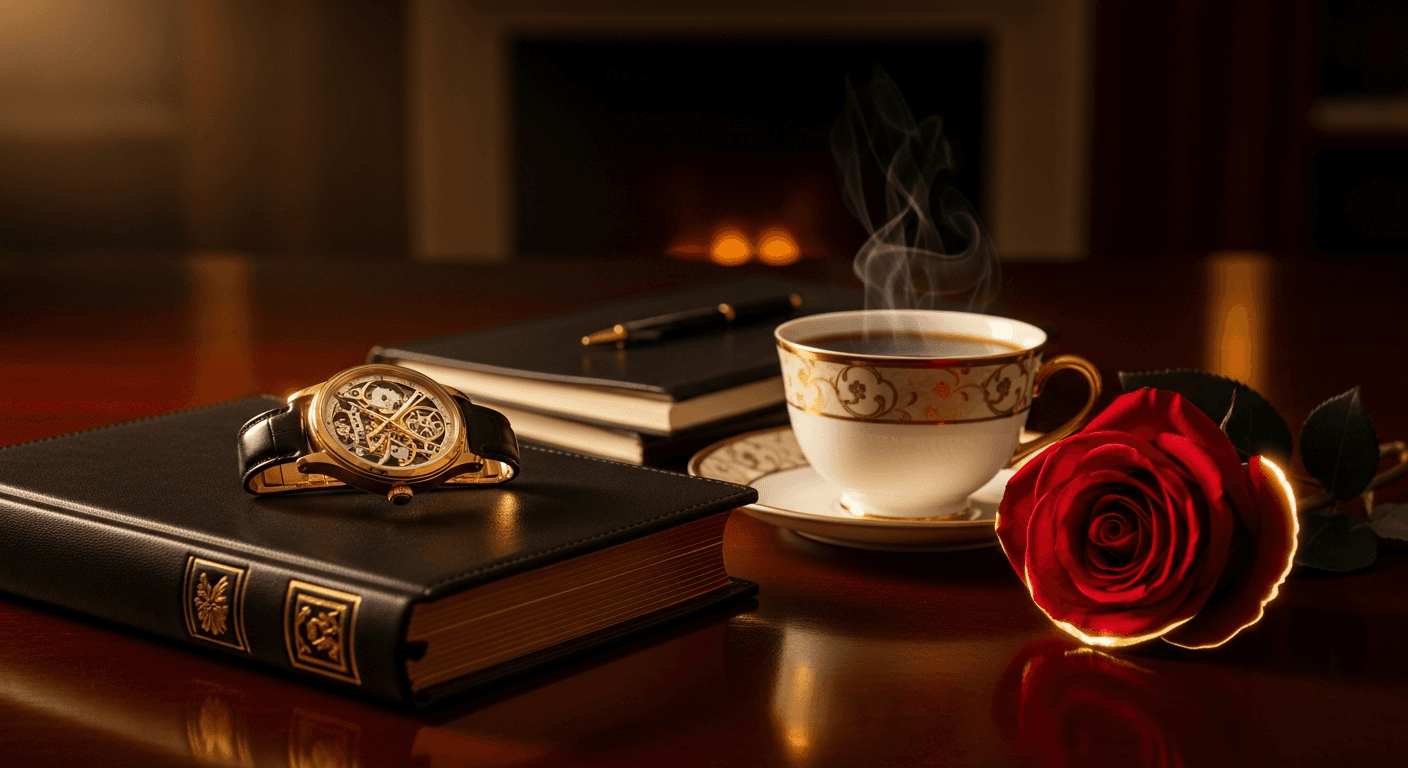
The theatrical 'pop' of a sparkling wine cork, often associated with unbridled celebration, is a sound deeply ingrained in popular culture. Yet, for the true connoisseur, this explosive expulsion is not a mark of sophistication, but rather a missed opportunity. The French, with their inherent understanding of wine's nuances, advocate for a gentle soupir - a quiet sigh - as the cork eases from the bottle, a method that respects the intricate journey from terroir to glass. This seemingly minor detail carries significant implications for the wine's quality, safety, and the very essence of its enjoyment.
Beneath the surface of every bottle of Méthode Traditionnelle sparkling wine lies a formidable force. The secondary fermentation, where yeast converts sugar into alcohol and carbon dioxide, creates immense pressure. A standard 750 ml bottle of Champagne, for instance, typically holds internal pressure of 5 to 6 atmospheres, equating to approximately 90 pounds per square inch (psi) - three times the pressure found in an average car tyre. [7, 11, 12, 14, 15, 17, 23, 32, 37] This considerable pressure transforms a carelessly released cork into a dangerous projectile, capable of reaching speeds up to 100 km/h (approximately 60 mph). [19, 21, 26] Such velocity poses a serious risk, with eye injuries, including retinal detachment and even blindness, being documented consequences of an errant cork. [19, 21, 22, 23]
Beyond the safety concerns, a loud pop is detrimental to the wine itself. The violent and rapid release of the cork causes a sudden depressurisation, leading to a significant loss of dissolved carbon dioxide. This directly translates to a diminished effervescence, those cherished bubbles that define sparkling wine. The wine becomes flatter, losing its characteristic vivacité and the sensory vibrancy it was crafted to deliver. Experts from the Court of Master Sommeliers consistently advocate for a quiet opening, asserting that the pop undermines the wine's quality by dispersing the very bubbles that carry its unique aromas and contribute to its texture. [17, 20, 28, 29]
Furthermore, the abrupt pressure change and the accompanying rush of gas can disrupt the delicate aromatic compounds within the wine. The volatile notes, painstakingly developed during years of maturation sur lies, can be scattered, preventing the full expression of the Cuvée's complexity. A properly chilled bottle, ideally between 7 °C and 10 °C (45 °F and 50 °F), is paramount. [17, 20, 21, 23, 25, 32, 37] A warmer bottle increases internal pressure, making a controlled release more challenging and exacerbating the risk of spillage and flavour degradation. The aim is to preserve the intricate bouquet, allowing the wine to unfurl its layers in the glass, not to have them violently expelled into the air.
The Art of the Gentle Release
The technique for a graceful uncorking is straightforward, requiring patience and precision. Begin by ensuring the bottle is thoroughly chilled. Hold the bottle at a 45-degree angle, pointing it away from people and delicate objects. This angle increases the interior surface area, helping to manage the internal pressure. Next, remove the foil capsule, typically by using a small knife or the integrated tab. The wire cage, or muselet, should then be loosened by twisting its small loop exactly six counter-clockwise turns, but not removed entirely. [1, 6, 25, 31] Maintain a firm grip on the cork, perhaps with a cloth napkin for added control and safety, and crucially, twist the bottle, not the cork. [1, 6, 17, 25, 32, 36] As the cork begins to yield to the internal pressure, gently resist its outward movement, allowing the gas to escape with a controlled hiss, a true soupir, rather than a forceful pop. [1, 17, 25, 27, 28, 31]
A Legacy of Refinement
The evolution of sparkling wine closures reflects a long history of innovation driven by the challenges of containing such effervescent liquids. In the 17th century, early winemakers in Champagne struggled with bottles shattering under pressure - a phenomenon known as "devil's wine" - and unreliable wooden plugs. [3] Cork stoppers were introduced in Champagne around 1685, and by the 18th century, King Louis XV's edicts documented their use. [2, 13] However, it was not until 1844 that Alphonse Jacquesson patented the wire cage, the muselet, which securely holds the cork in place against the intense internal pressure, revolutionising sparkling wine production and safety. [4, 31] This dedication to refinement underscores the importance of a meticulous approach to every aspect of sparkling wine, right down to its opening.
The quiet uncorking is more than mere etiquette; it is an act of reverence for the winemaker's craft and a commitment to experiencing the wine at its peak. By embracing the gentle twist, one preserves the intricate dance of bubbles, the delicate aromatic tapestry, and ensures a safe, elegant presentation. Next time you reach for a bottle of Brut, a Vintage Blanc de Blancs, or a celebratory Magnum of Rosé, remember the soupir. It is in this understated release that the true brilliance of the wine is allowed to shine, inviting a deeper appreciation of its character and complexity. It is a subtle gesture, yet one that profoundly elevates the sparkling wine experience.
More from the cellar.
Bottle Shock: The Unseen Travail of Transported Wine
Unravelling the debate: does wine truly need repose after its journey?
The Enduring Effervescence of an Open Bottle
Unravelling the science and art of preserving sparkling wine's ephemeral magic.
The Silent Saboteurs of Sparkling Grandeur
Preserving the delicate effervescence of Champagne demands precise, consistent care.